
You may think an animal in your attic, on your roof, or in your yard is simply an unwanted visitor, but the problem can become much bigger if you leave it alone. Scratching sounds, torn insulation, chewed wires, droppings, and strange smells can all be signs that wildlife is damaging your home. You may also worry about your family’s safety, repair costs, or whether the animal will keep coming back.
The right removal service helps you take control before these problems become more serious. A trained professional can safely remove the animal, determine how it got inside, and help protect the area from another intrusion.
In the sections below, you will learn how animal removal protects your home’s structure, safety, and long-term condition.
1. Prevents Costly Structural Damage from Wildlife
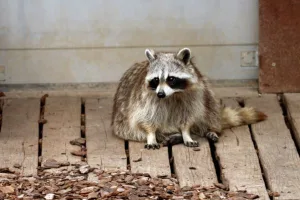
Wild animals can damage your home while looking for food, shelter, or a safe place to nest. Raccoons may tear insulation, rodents can chew wires, and birds or bats may enter roofs and vents. Even a small problem can lead to costly repairs if the animal stays inside for too long.
If you notice these signs, searching for animal removal near me, can be an important step toward protecting your home. Removing the animal early can stop further damage and help you check areas that may already be affected. Professional inspection can be especially helpful when damage is hidden inside walls or attics.
Once the animal is gone, you can repair damaged areas and seal the openings it used to enter through. An inspection can also reveal weak spots before another animal finds them. Acting early helps protect your home’s structure and avoid larger repair bills later.
2. Reduces Health and Safety Risks Inside Your Home
Wildlife inside or around your home can create health and safety concerns for your family. Animals may leave droppings, urine, nesting materials, and other waste in hidden places like attics, crawl spaces, or garages. These areas can quickly become unpleasant and unsafe if you ignore the problem.
There is also the risk of getting too close to an animal that feels trapped or threatened. Even animals that normally avoid people may react differently inside a house. Trying to remove wildlife yourself can put you, your children, or your pets in danger.
Professional removal helps solve the problem without unnecessary contact with the animal. After removal, the affected space can be cleaned and treated when needed. This helps create a safer and healthier home environment for everyone living there.
3. Helps Prevent Wildlife from Re-Entering Your Property
Removing an animal does not always mean the problem is over. If wildlife entered through a gap or damaged opening, another animal may use the same path later. Gaps around roofs, vents, chimneys, and walls can provide easy entry points for wildlife.
That is why checking entry points is an important part of protecting your property. Wildlife exclusion focuses on sealing or securing the places animals use to get inside. Depending on your home, this may include repairing damaged areas or adding barriers that block future access.
By fixing the entry point, you reduce the chance of dealing with the same problem again. Your home becomes harder for wildlife to enter, which helps prevent repeated noise, damage, and stress. In simple terms, removal addresses the immediate problem, while exclusion helps reduce the risk of future intrusions.
4. Protects Your Home from Lingering Wildlife Damage and Contamination
Getting the animal out is only one part of protecting your home. Wildlife can leave behind droppings, nesting materials, odors, and damaged insulation even after the animal is gone. Ignoring these problems may leave the affected space in poor condition.
For example, damaged insulation may need replacement, while contaminated areas may require cleaning and disinfecting. Removing odors and leftover waste also helps restore the comfort of your living space. Proper cleanup can help reduce the lasting effects of a wildlife problem.
A clean and repaired area is also easier to monitor in the future. Once old waste and nesting materials are removed, new signs of wildlife activity may be easier to notice. Restoration helps bring the affected part of your home back into good, usable condition.
5. Helps Protect Your Property’s Long-Term Comfort and Value
Your home should feel comfortable, not like a place where you are always listening for scratching sounds. Handling wildlife problems early helps protect your property’s condition and prevents small issues from becoming daily worries. That gives you greater peace of mind inside your own home.
It is also helpful to watch for signs that animals may be trying to get inside. A loose vent, damaged roof area, or small opening can become an entry point if left unrepaired. Fixing these issues early helps protect your property over time.
Most importantly, animal removal allows you to address the cause instead of living with the problem. With the right prevention steps, you can remove the animal, repair the damage, and reduce future risks. This practical approach can help keep your home safe, comfortable, and better protected over time.
Conclusion
Animal removal is about more than getting an unwanted animal out of your home. It helps you prevent property damage, reduce health and safety risks, stop wildlife from returning, and deal with any mess or damage left behind.
Taking action when you first notice scratching, droppings, strange smells, or other signs can make the problem easier to manage. It also helps protect your home’s comfort and condition over time. If wildlife has entered your property, addressing the cause instead of ignoring the signs can help you avoid bigger problems and keep your home better protected.