

Different households have different pest problems. Some families encounter ants swarming around the kitchen sink, some have an old deck that’s infested with termites, and some families have mosquitoes in their backyard that make it impossible to use during the summer. The problem with any pest is typically the same: How to kill it without putting your children, pets, or lifestyle at risk?
Family-friendly pest control centers around that very question. It targets where pests are present, how they got in, and which treatment is appropriate for your problem instead of treating every room and every house. From sealing entry points around the foundation to adjusting treatments as the seasons change, this approach keeps your living space genuinely usable, not just temporarily pest-free.
Let’s take a look at how this type of approach protects the day-to-day spaces your family depends on the most.
1. Identify What You’re Actually Dealing With
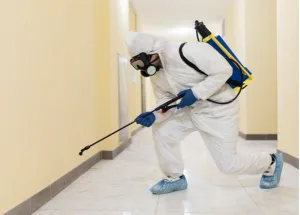
Not every pest problem looks the same, and that’s the first thing a family-friendly pest control approach has to sort out. Ants, roaches, spiders, and silverfish are the ones most people notice right away, usually near the kitchen or bathroom. But some of the more damaging problems, like termites working through wood or rodents nesting in a wall void, can go unnoticed for months without a trained eye checking for them.
A proper inspection looks at both what’s visible and what isn’t. That means checking cracks, cabinets, attics, and the areas around plumbing where moisture tends to collect, since different pests are drawn to different conditions.
Once the actual source is identified, the response can be built around it instead of guessing. A termite issue calls for a very different plan than a seasonal ant trail, and treating them the same way rarely solves either one for good.
2. Use Treatments That Are Safe Around Kids and Pets
Anyone with young children or pets knows how much time gets spent on the floor. Kids crawl and play there. Dogs and cats nap there. So it makes sense to ask what’s actually being used when a pest treatment happens in a room your family spends time in every day.
This is the core idea behind eco-friendly, family-safe pest control: treating the specific areas where pests are active, rather than coating every room the same way regardless of need. A more targeted plan means less product used overall, which cuts down on unnecessary exposure for the people and animals living in the home.
Most professionals will also give clear guidance afterward, such as how long to keep kids or pets away from a treated surface. Following that guidance is what allows the treatment to work properly while keeping the household’s routine close to normal.
3. Seal the Entry Points Pests Use to Get Inside

It’s frustrating to clean a home regularly and still see pests indoors. Often, the real issue starts outside, where small gaps around doors, windows, and the foundation give pests a way in without anyone noticing. Finding these entry points matters just as much as treating what’s already inside.
This is the idea behind perimeter pest control: treating the ground and structure around a home so pests are stopped before they ever reach the kitchen or a bedroom. Instead of reacting once something is spotted indoors, the goal is to keep it from getting that far in the first place.
Outdoor pests like mosquitoes and ticks fall into this category too, since they build up in yards, mulch beds, and shaded areas before ever becoming a problem near the house. Addressing the perimeter helps with both the pests trying to get inside and the ones making the yard unpleasant to use.
4. Protect the Kitchen, Bathrooms, and Other High-Use Spaces
The kitchen is usually where pest problems show up first, and it’s easy to see why. Crumbs, spills, and trash all give ants and roaches exactly what they’re looking for. Bathrooms, basements, and laundry rooms can be just as inviting when moisture sits around for days at a time.
Simple daily habits help here: wiping up spills, storing food in sealed containers, taking out trash regularly, and fixing small leaks as soon as they’re noticed. None of this requires a spotless house. It just removes the food and water sources pests rely on to stay.
These habits are best combined with professional treatment for established activity areas, such as bed bugs in bedding and furniture, which can typically not be remedied simply by cleaning.
5. Adjust Treatment as the Seasons Change
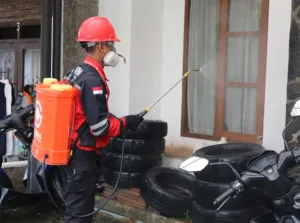
Getting rid of pests once doesn’t mean the problem is permanently solved. Weather changes, new gaps forming around the home, and shifts outside the property can all bring pests back weeks or months later. That’s where ongoing, seasonal prevention makes a difference.
Regular service typically includes inspections and follow-up treatment that adjust based on what’s actually active at that time of year. Ant and mosquito activity in spring and summer looks very different from the rodent and spider activity that tends to pick up as temperatures drop in fall and winter.
Catching small changes early, before they spread through several rooms, is far easier to manage than dealing with a full infestation later. Ongoing attention turns pest control into routine maintenance rather than a recurring emergency.
The Bottom Line
A home should feel comfortable to live in without constantly wondering what might be hiding in the walls, the yard, or under the sink. Family-friendly pest control addresses that by identifying the actual pest, choosing a treatment that fits both the problem and the household, and adjusting that plan as conditions change throughout the year.
Paired with a few simple daily habits, this kind of targeted, ongoing care keeps a home’s everyday spaces genuinely livable, season after season.