
Gaming intros have one job: create immediate identity. The viewer should know the channel, the tone, and the level of energy almost instantly. That does not require chaos. It requires precision. If you are using AI to speed up the visuals, the workflow becomes much stronger when tested inside an Uncensored AI Video Generator process where typography, pacing, and signature motion are treated as the real design system.
1) Define the channel persona first
Competitive, funny, tactical, lore-heavy, cinematic, speedrun-focused: every intro should reflect the channel's personality, not just gaming in general.
2) Keep the runtime tight
An intro that feels stylish for six seconds can feel indulgent at fifteen. Shorter usually wins because it respects the audience's desire to get into the content.
3) Use one strong motion motif
Glitch cuts, energy streaks, stat overlays, or bold logo reveals can work, but the intro becomes cleaner when one visual idea leads the system.
4) Make the title readable instantly
Fancy effects are wasted if the viewer cannot tell whose intro they are watching.
5) Let the intro lead naturally into gameplay
The transition into the first clip should feel intentional, not like two unrelated files stuck together.
A quick optimization loop
The easiest way to improve feed-driven content is to review it like a viewer instead of like an editor. Ask what is obvious in the first seconds, what feels worth sharing, and where comprehension slows down. Then make one focused change instead of rewriting the whole piece. You might tighten the hook, simplify the caption, or bring the proof point forward. Small improvements compound quickly in social formats because the audience is reacting to clarity and momentum more than to technical complexity. A workflow that makes those adjustments fast is usually more valuable than one that simply produces more versions.
Why clarity usually beats complexity
Feed performance is often decided by whether the audience understands the message immediately. That means clean hierarchy, strong first impressions, and one visible idea will usually outperform a more complicated build. Complexity can still work, but only after clarity is secure. If the viewer has to decode the format before they can react to the content, the creative is already working harder than it should.
Final check before you publish
Before you call the draft done, review it once for the first-watch experience. The opening should be understandable immediately, the middle should stay focused on one central idea, and the ending should still point naturally toward the next step. That last review often reveals whether the article is merely informative or actually useful.
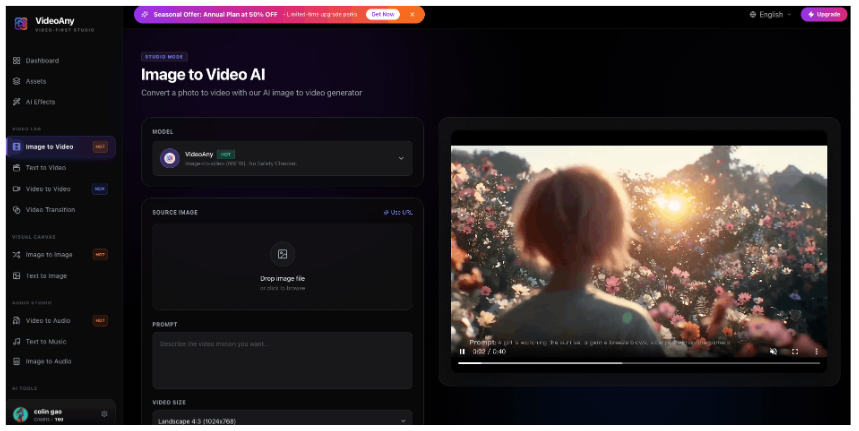
And if the intro begins from a sharp logo card or key art still, a measured image to video step can add motion while preserving the brand clarity the opening needs.